Human-Centered Architecture: Design Focused on You
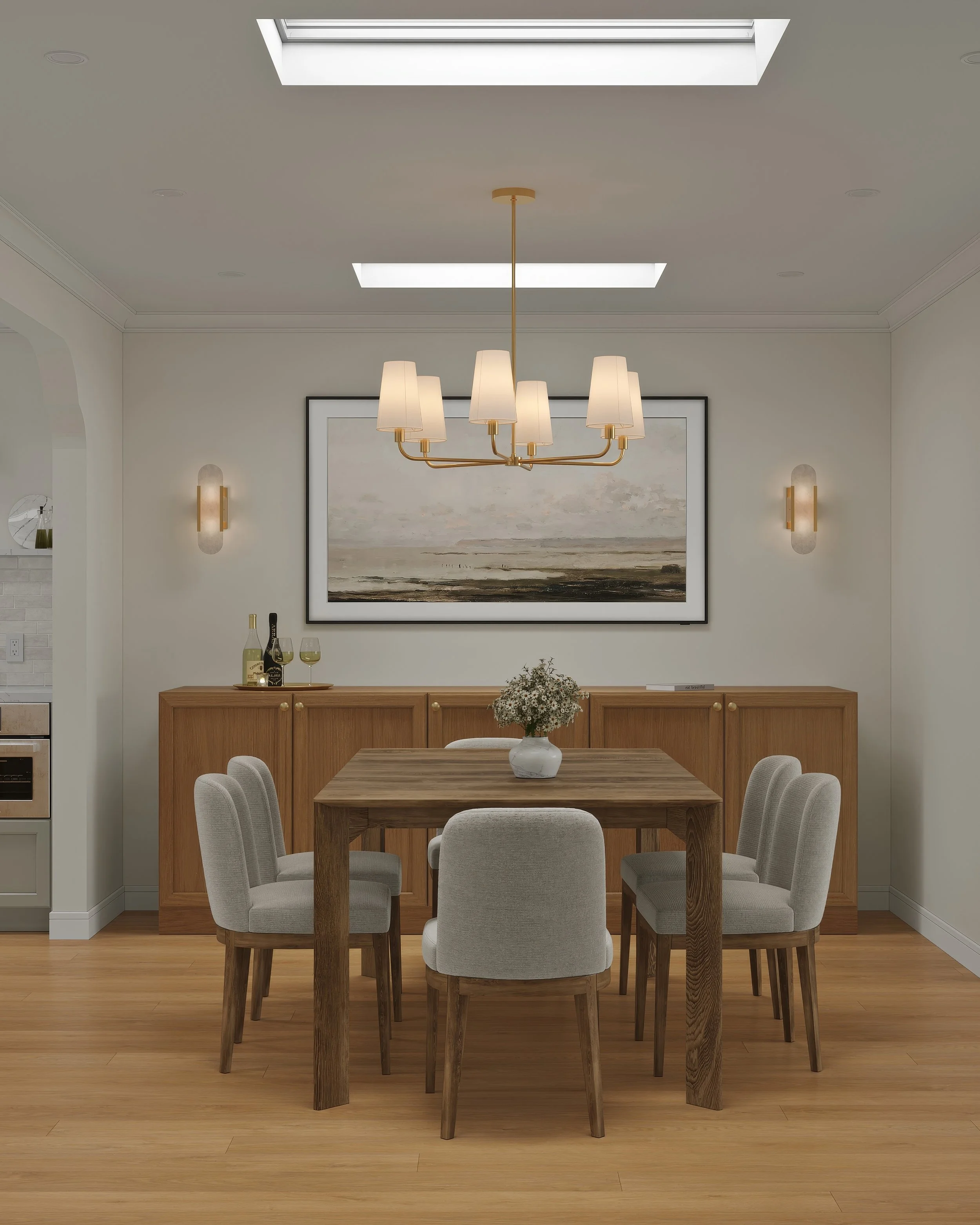
Architecture shapes how we live every day. The most successful homes are not defined by trend or style, but by how well they support the people inside them.
Human-centered architecture prioritizes lifestyle, comfort, and long-term functionality. Instead of beginning with aesthetics alone, this approach begins with a fundamental question:
How will this space improve daily life?
At LittleBig Design, human-centered thinking guides every project. From custom homes to major renovations, we design environments that respond to lifestyle patterns, site conditions, and future needs — creating spaces that are both visually refined and deeply livable.
What Is Human-Centered Architecture?
Human-centered architecture is a design philosophy that places the client’s experience at the center of every decision. It considers how people move through spaces, how they interact within them, and how environments affect emotional and physical well-being.
Core principles include:
Clear and intuitive circulation
Access to natural light
Comfortable scale and proportion
Functional layouts that reduce friction
Emotional resonance and visual balance
Long-term adaptability
Rather than asking homeowners to conform to a predetermined design style, human-centered architecture adapts the design to the homeowner.
The result is a home that feels intentional, intuitive, and enduring.
Designing Around Lifestyle
No two households function the same way. A design that works beautifully for one family may feel inefficient for another.
Some clients prioritize entertaining and gathering spaces.
Others require private retreat areas for work or relaxation.
Some need flexible layouts for multi-generational living.
Others value minimal maintenance and simplified circulation.
Human-centered design begins with listening.
During the predesign phase, we evaluate:
How you move through your current home
Where congestion or inefficiencies occur
Where you naturally gather
How morning and evening routines unfold
What spaces feel underutilized
These insights inform layout decisions long before materials or finishes are discussed. When the foundation of a home is organized around real patterns of living, the result feels seamless rather than forced.
Light, Comfort, and Well-Being
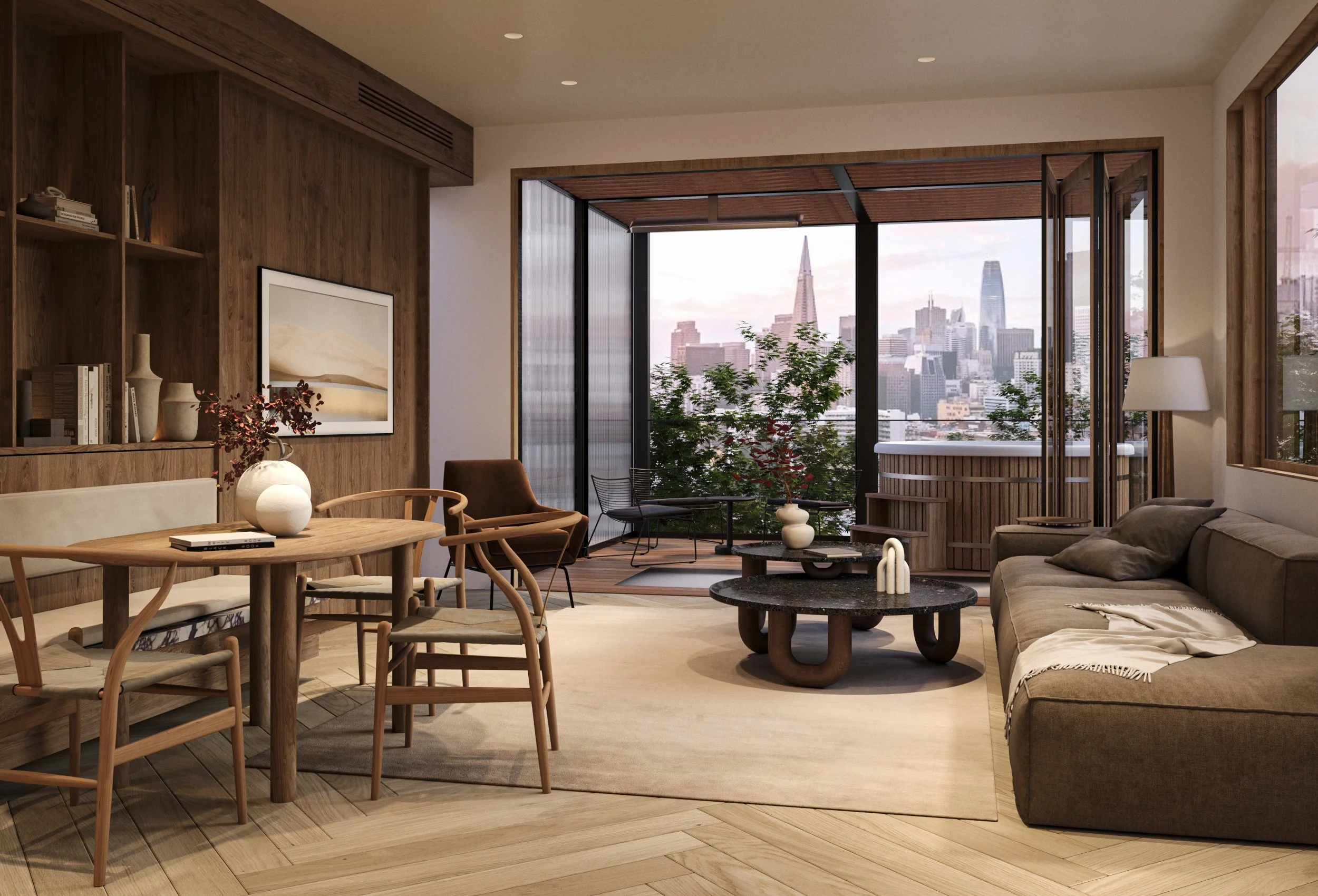
Light is one of the most powerful architectural tools. It influences mood, productivity, sleep cycles, and overall comfort.
Human-centered homes are designed to maximize natural daylight while maintaining thermal comfort and minimizing glare. Window placement, ceiling heights, and orientation are carefully considered to create balanced illumination throughout the day.
Comfort extends beyond lighting. It includes:
Proper ventilation and airflow
Acoustic separation between active and quiet zones
Balanced room proportions
Smooth, intuitive transitions between spaces
A well-designed home should feel effortless to inhabit. Circulation should be clear. Gathering spaces should feel open but grounded. Private rooms should offer calm and separation.
These elements are subtle, but they significantly impact daily experience.
The Role of Scale and Proportion

Architectural scale affects how a space feels more than most people realize.
Large, dramatic rooms can feel impressive but may lack warmth. Conversely, overly compact spaces can feel restrictive.
Human-centered architecture calibrates dimensions intentionally. Ceiling heights, window sizes, room widths, and transitions are proportioned to create balance. The goal is to achieve openness without sacrificing intimacy.
At LittleBig Design, we combine modern clarity with human comfort. Clean lines and contemporary forms are balanced with proportion and material warmth, ensuring that visual simplicity does not compromise livability.
Flexibility and Long-Term Adaptability

Homes should evolve as life evolves.
Children grow. Work patterns shift. Mobility needs change. Entertaining styles adjust over time.
Human-centered architecture anticipates these transitions by incorporating flexibility into the plan. This may include:
Multi-functional rooms
Adaptable furniture layouts
Spaces that can convert between office, guest, or recreation use
Consideration for aging-in-place design
Outdoor spaces that extend the usable living area
Designing with foresight protects long-term value and reduces the need for major future renovations.
A home that adapts is a home that endures.
Indoor-Outdoor Continuity

Connection to the outdoors enhances well-being and expands perceived space.
Human-centered architecture strengthens this relationship through:
Large openings that frame views
Covered exterior living areas
Transitional thresholds between the interior and exterior
Consistent materials that visually connect spaces
These strategies blur the boundary between indoors and outdoors, creating environments that feel expansive while remaining comfortable and controlled.
The goal is not simply to open walls, but to create meaningful continuity between living areas and natural surroundings.
Materials That Support Experience
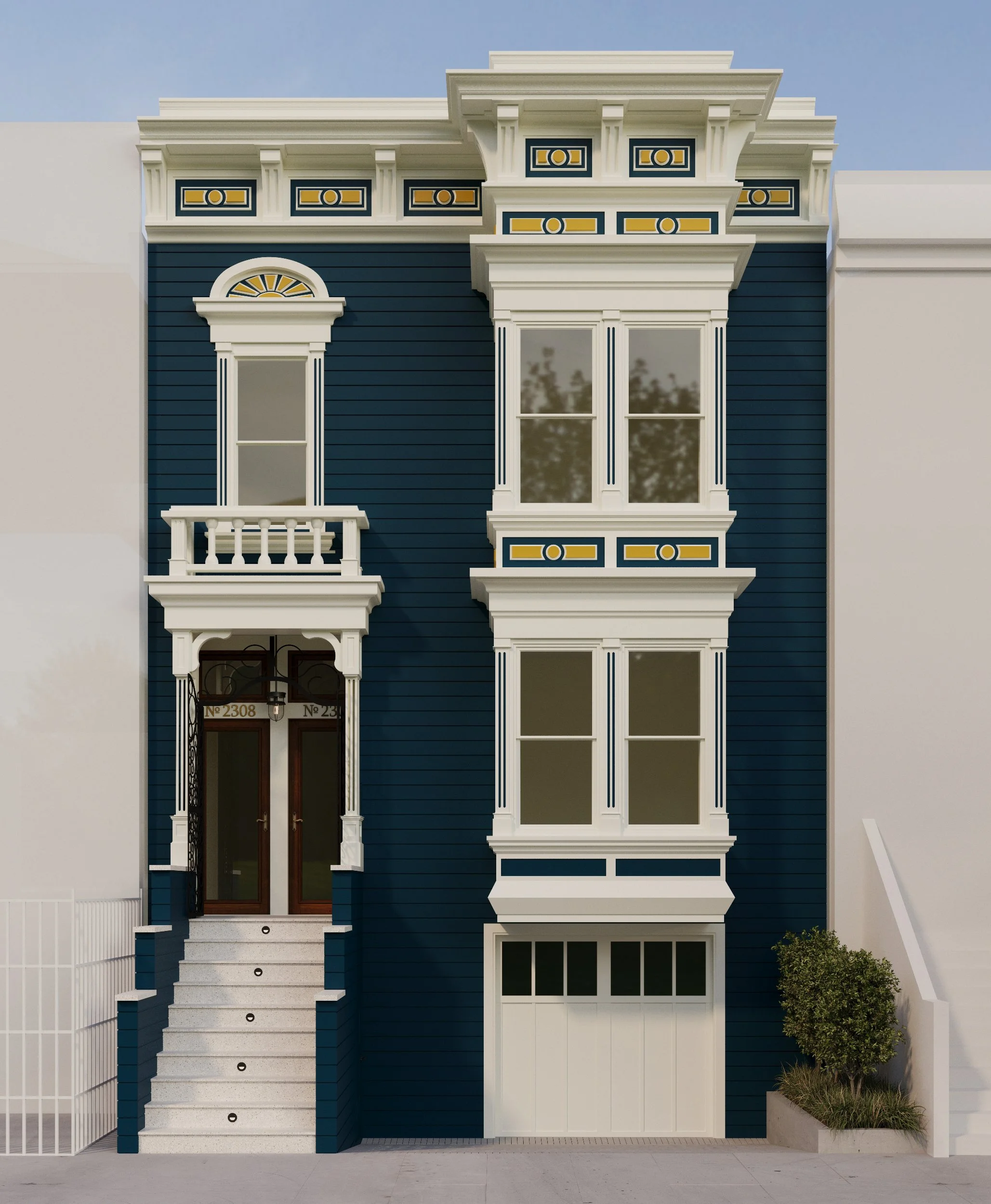
Human-centered design goes beyond visual appearance. Materials influence tactile experience, maintenance requirements, and long-term durability.
Natural materials such as wood and stone add warmth and depth. Textured finishes soften clean architectural lines. Balanced lighting enhances material character without overwhelming the space.
Selections are made not only for aesthetic consistency, but for how they will age and perform over time.
A thoughtfully curated material palette contributes to a home that feels cohesive and calm.
Collaboration as a Design Framework
True human-centered architecture requires collaboration.
Designers must translate abstract goals into measurable spatial solutions. This requires structured conversations, careful documentation, and clear communication.
At LittleBig Design, collaboration includes:
Detailed predesign evaluation
Clear schematic layouts
Coordinated interior and architectural planning
Thorough construction documentation
Ongoing communication during implementation
This process ensures that the final built environment reflects the client’s priorities rather than a rigid design formula.
Why Human-Centered Design Matters
A home is more than a financial investment. It is the setting for daily life.
When architecture prioritizes human experience, it:
Reduces functional frustrations
Improves comfort and clarity
Enhances mental and physical well-being
Supports productivity and relaxation
Maintains long-term relevance
Design decisions made early in the process influence every future interaction with the space. A well-considered layout or proportion can improve quality of life for decades.
Architecture should simplify living, not complicate it.
LittleBig Design’s Human-Centered Philosophy
Our approach combines:
Structured predesign analysis
Site-responsive architectural solutions
Integrated architectural and interior coordination
Detailed, buildable construction documentation
Continuous oversight throughout the project lifecycle
We believe successful design is rooted in listening, analysis, and disciplined execution.
Each project begins with understanding how you live and concludes with a space that supports that life with clarity and intention.
Design That Reflects You
Human-centered architecture is not a stylistic trend. It is a disciplined approach that places people before aesthetics. By prioritizing lifestyle, proportion, flexibility, and comfort, homes become more than visually compelling; they become deeply functional and enduring.
At LittleBig Design, we create residences that reflect how clients live today while supporting how they will live tomorrow.
If you are considering a custom home or renovation, thoughtful planning from the outset makes the difference.
Contact LittleBig Design to begin designing a home centered on you.
