
Who Do I Hire First? Architect, Interior Designer, or Contractor?
Embarking on a home renovation or a custom build is exciting, but it can also feel overwhelming. One of the most common questions homeowners ask at the beginning of a project is:
Who should I hire first? An architect, an interior designer, or a contractor?
The answer significantly impacts your budget, timeline, design quality, and overall experience. Hiring the right professional at the right time sets the tone for your entire project.
In any industry, but especially one as impactful as residential architecture, informed clients make better decisions. Today, we’ll break down each role and its impact on the architectural process, explain when to hire them, and provide professional guidance to the system that typically leads to the strongest outcome.
Why the Order Matters
Many homeowners assume the contractor should come first because construction feels like the “main event.” Others believe interior design comes later because it seems cosmetic.
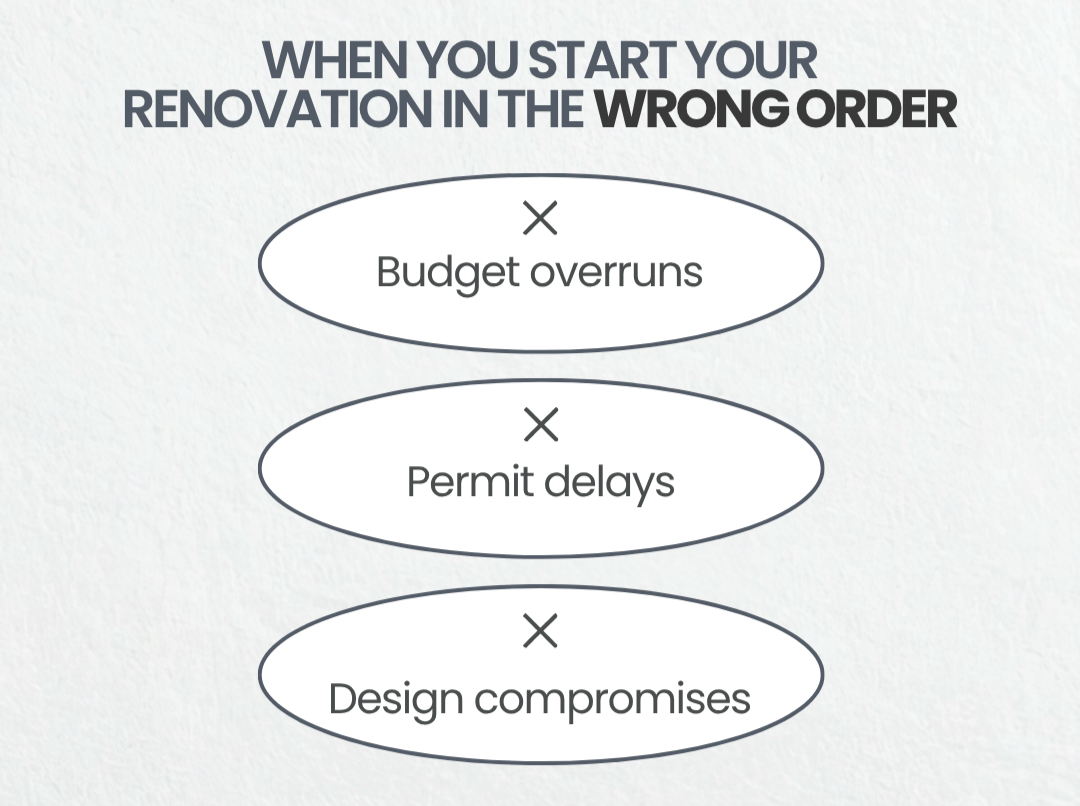
In reality, starting with the wrong professional can lead to:
Budget overruns
Design compromises
Permitting delays
Scope creep
Misaligned expectations
Early decisions such as layout, structure, zoning compliance, and long-term vision shape everything that follows. Without a clear architectural direction, pricing and material selections often lack context.
The sequence matters because each professional builds on the work of the previous one.
What Does an Architect Do?

An architect is responsible for designing the structure and spatial experience of your home. This includes:
Floor plans and layout
Exterior design and massing
Structural coordination
Code compliance and zoning analysis
Permit drawings
Consultant coordination (structural, civil, MEP)
Architects translate your lifestyle needs into buildable, permitted construction documents. They define the framework within which everything else operates.
When You Should Hire an Architect First
You should begin with an architect if:
You’re building a custom home
You’re adding square footage
You’re modifying walls or structure
Your property has zoning constraints
You’re building on a hillside, coastal lot, or irregular site
You want cohesive architectural and interior integration
At LittleBig Design, we begin with a comprehensive predesign phase that defines goals, budget parameters, and site constraints before design even starts. This upfront clarity minimizes redesign and protects your investment.
What Does an Interior Designer Do?

An interior designer focuses on how spaces feel, function, and flow inside the home. Their role includes:
Space planning within existing architecture
Material and finish selection
Cabinetry and millwork design
Lighting design
Furniture layout
Color palettes and textures
Interior designers enhance the human experience inside a structure. In some remodels, especially cosmetic ones, an interior designer may be the first professional needed.
When You Might Hire an Interior Designer First
You might begin with an interior designer if:
You are not altering structure
You’re renovating kitchens or bathrooms without moving walls
You want a refresh of finishes, lighting, or furnishings
The architectural layout already works well
However, even cosmetic remodels can uncover structural or permitting requirements. When layout changes, plumbing relocation, or beam adjustments are involved, architectural coordination becomes essential.
One of the advantages of LittleBig Design is that we are an architecture and design firm. This means we have interior designer partners who work with us to create a fully integrated experience. Rather than having the client manage separate entities with competing priorities, we operate as an integrated team to deliver a cohesive, holistic design service.
What Does a Contractor Do?

A contractor builds the project. Their responsibilities include:
Pricing the project
Hiring subcontractors
Coordinating utilities
Managing construction
Coordinating inspections
Contractors are essential, but they typically rely on completed architectural drawings to price the project accurately.
Should You Hire a Contractor First?
In some cases, yes, but cautiously.
Some homeowners hire a contractor first, hoping to get a rough price. The challenge is that without finalized design documents, pricing is often:
Incomplete
Based on assumptions
Subject to change
Missing critical scope details
This can create unrealistic expectations and future budget increases.
That said, a contractor can be brought in early for preconstruction collaboration once an architect has developed initial plans. This allows pricing input without sacrificing design clarity.
The Recommended Order for Most Projects
For most custom homes, additions, and large remodels, the ideal sequence is:
1. Architect
2. Interior Designer (often overlapping with architect)
3. Contractor
Here’s why:
Starting with Architecture Creates Clarity
The architectural design defines:
Square footage
Structural changes
Site positioning
Permitting requirements
Overall scope
Without this foundation, pricing and interior decisions lack alignment.
Interior Design Enhances the Experience
Once the framework exists, interior design refines how the space feels and functions. When integrated early, it avoids conflicts like:
Lighting planned before the ceiling/structure is defined
Cabinetry not aligned with structural systems
MEP systems conflicting with design intent
Finishes selected before key details are resolved
Layouts misaligned with code or circulation requirements
Contractor Executes with Precision
When a contractor receives detailed, coordinated construction documents, pricing is more accurate, and change orders are minimized.
Common Scenarios and the Right First Hire
Custom Home Build
Hire First: Architect
A custom home requires zoning research, structural planning, and detailed documentation before construction begins. Interior design should integrate early, but architecture must lead.
Major Addition or Structural Remodel
Hire First: Architect
Moving walls, expanding square footage, or altering rooflines requires drawings for permits and engineering. Starting with a contractor without drawings risks inaccurate budgeting.
Kitchen or Bathroom Remodel (No Structural Changes)
Hire First: Interior Designer (Sometimes Architect)
If walls and structure remain intact, an interior designer may lead. However, if plumbing relocation, structural beams, or layout changes are involved, architectural coordination becomes necessary.
Cosmetic Refresh
Hire First: Interior Designer
For finishes, furniture, paint, or lighting updates, interior design alone may suffice.
Why Homeowners Sometimes Choose the Wrong Order

Many homeowners choose a contractor first because:
They want a fast price
They assume construction drives design
They believe architects are optional
They underestimate permitting complexity
Unfortunately, this can result in redesign fees, budget surprises, compromised design, and permit delays.
A well-developed architectural plan reduces these risks significantly.
Why Collaboration Matters
Projects run most smoothly when the architect, interior designer, and contractor collaborate early and under a clearly defined structure.
At LittleBig Design, our process emphasizes:
Transparent pricing
Detailed construction documentation
Early consultant coordination
Clear communication between all parties
Design integrity throughout construction
We often coordinate with trusted contractors to create a streamlined experience for our clients.

How Hiring an Architect First Saves Money
It may seem counterintuitive, but investing in design first often reduces total project cost by:
Preventing structural surprises
Reducing change orders
Clarifying the scope before bidding
Improving contractor pricing accuracy
Minimizing permit resubmissions
Well-developed construction documents can account for 30-40% of architectural effort, but they protect the remaining 60-70% of your investment during construction.
Questions to Ask Before Hiring Anyone
Before hiring your first professional, ask yourself:
Am I changing structure or square footage?
Do I need permits?
Is my site complex?
Do I want architectural and interior cohesion?
Do I need full-service coordination?
If the answer to most of these is yes, start with an architect.
Frequently Asked Questions
Do I always need an architect for a remodel?
Not always. Cosmetic updates may only require an interior designer. However, any structural changes, additions, or permit-required work typically benefit from architectural oversight.
Can I hire all three at the same time?
Yes, but roles should be clearly defined. Typically, architecture leads first, with interior design overlapping and construction joining during preconstruction.
Will starting with an architect increase my upfront cost?
Yes, there is an initial design investment. However, it often reduces total project cost by improving pricing clarity and minimizing change orders.
What if I already hired a contractor?
You can still bring in an architect to formalize plans and ensure permitting compliance. Clear documentation benefits everyone involved.
Does LittleBig Design work with contractors and interior designers?
Yes. We regularly collaborate with both contractors and interior designers. We partner with trusted interior designers to deliver a fully integrated design experience, and we also coordinate seamlessly with contractors and other consultants to ensure a cohesive process from concept through construction.
Choosing the Right Professional Team
Selecting professionals is about alignment, not just cost.
Consider:
Communication style
Experience with similar projects
Knowledge of local regulations
Level of service (design-only vs. full-service)
Transparency in pricing
The best projects begin with clarity, not shortcuts.
Start with Strategy, Not Construction
So who should you hire first?
For most residential projects, particularly those involving permitting and structural changes, the answer is clear: Start with an architect.
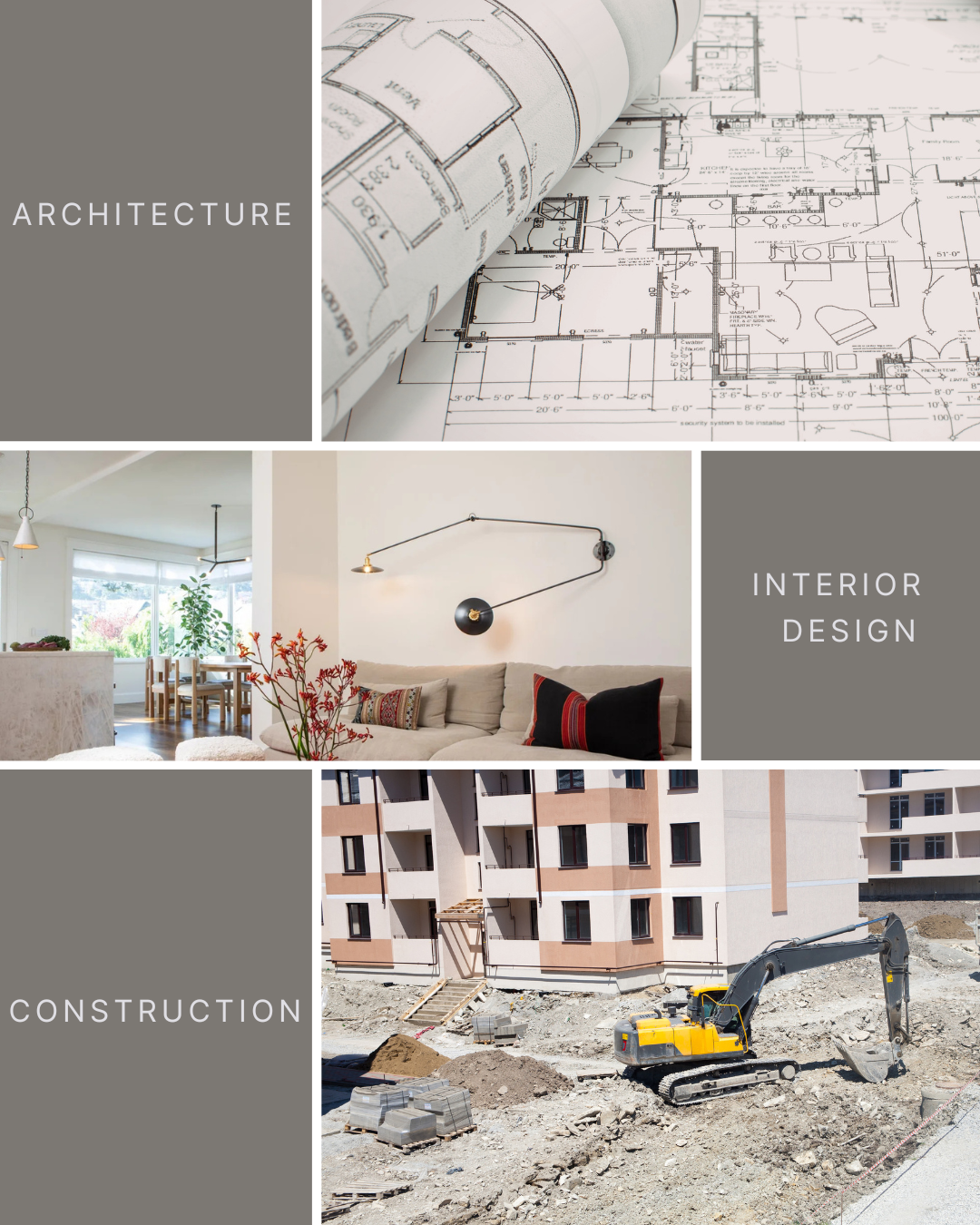
Architecture establishes the foundation.
Interior design enriches the experience.
Construction brings it to life.
Providing thoughtful, human-centered architecture supported by detailed documentation and seamless coordination is our main priority at LittleBig Design. Whether you're planning a custom home, an addition, or a remodel, we guide you from concept to completion with clarity and precision.
Ready to begin your project the right way?
Contact LittleBig Design today to schedule a consultation and build with confidence.
