
Soft Modern Architecture: Designing Warm, Contemporary Homes | LittleBig Design
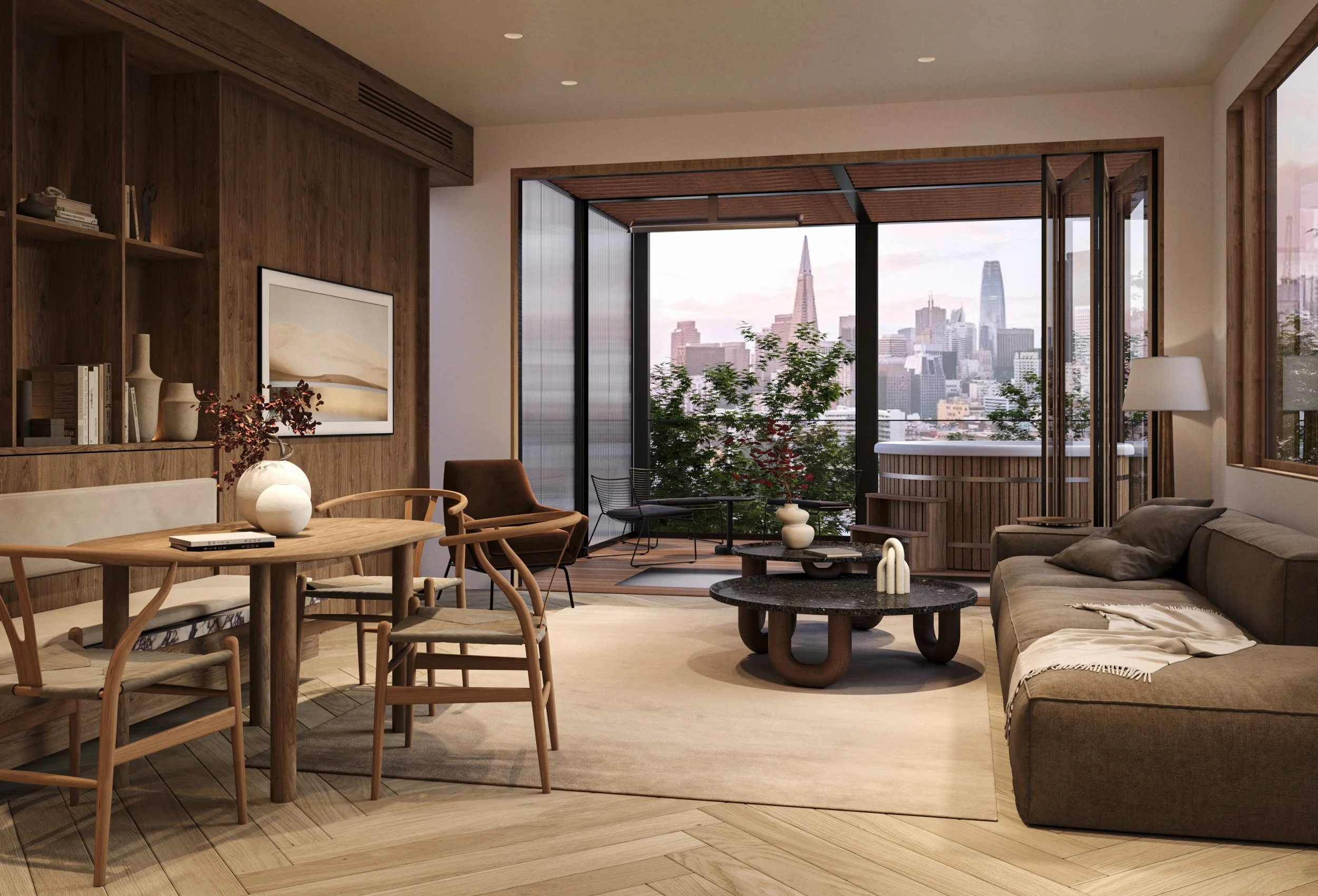
When most people hear the term “modern architecture,” they often envision sleek lines, minimalist spaces, and sometimes cold, impersonal interiors. While these homes may look stylish, they can lack the comfort and warmth that make a house truly feel like home.
Soft modern architecture addresses this challenge. It combines the elegance and simplicity of modern design with warmth, livability, and human-centered touches. The result is a home that is both visually striking and inviting, balancing style with functionality.
At LittleBig Design, we specialize in helping homeowners achieve this aesthetic. Our approach ensures that every home is functional, timeless, and tailored to each client’s lifestyle. In this guide, we’ll cover the principles of soft modern architecture, highlight key elements, and share tips for incorporating this style into your home, while also showcasing why this approach is ideal for homeowners seeking both beauty and practicality.
What Is Soft Modern Architecture?
Soft modern architecture is a design philosophy that retains the clean lines, open layouts, and functional principles of modern design while introducing warmth, comfort, and human-focused elements. Unlike traditional modernism, which can feel stark or impersonal, soft modern spaces are designed to enhance daily living.
Key features include:
Open, airy floor plans that encourage natural light and flow
Neutral and muted color palettes that create calm environments
Natural materials and textures that add depth and tactile interest
Minimalist but inviting furniture that balances function and comfort
This design philosophy has roots in mid-century modern architecture but has evolved to meet the needs of contemporary homeowners who desire stylish yet livable spaces. In places like San Diego, where indoor-outdoor living is highly valued, soft modern design has become particularly popular for both renovations and new construction.
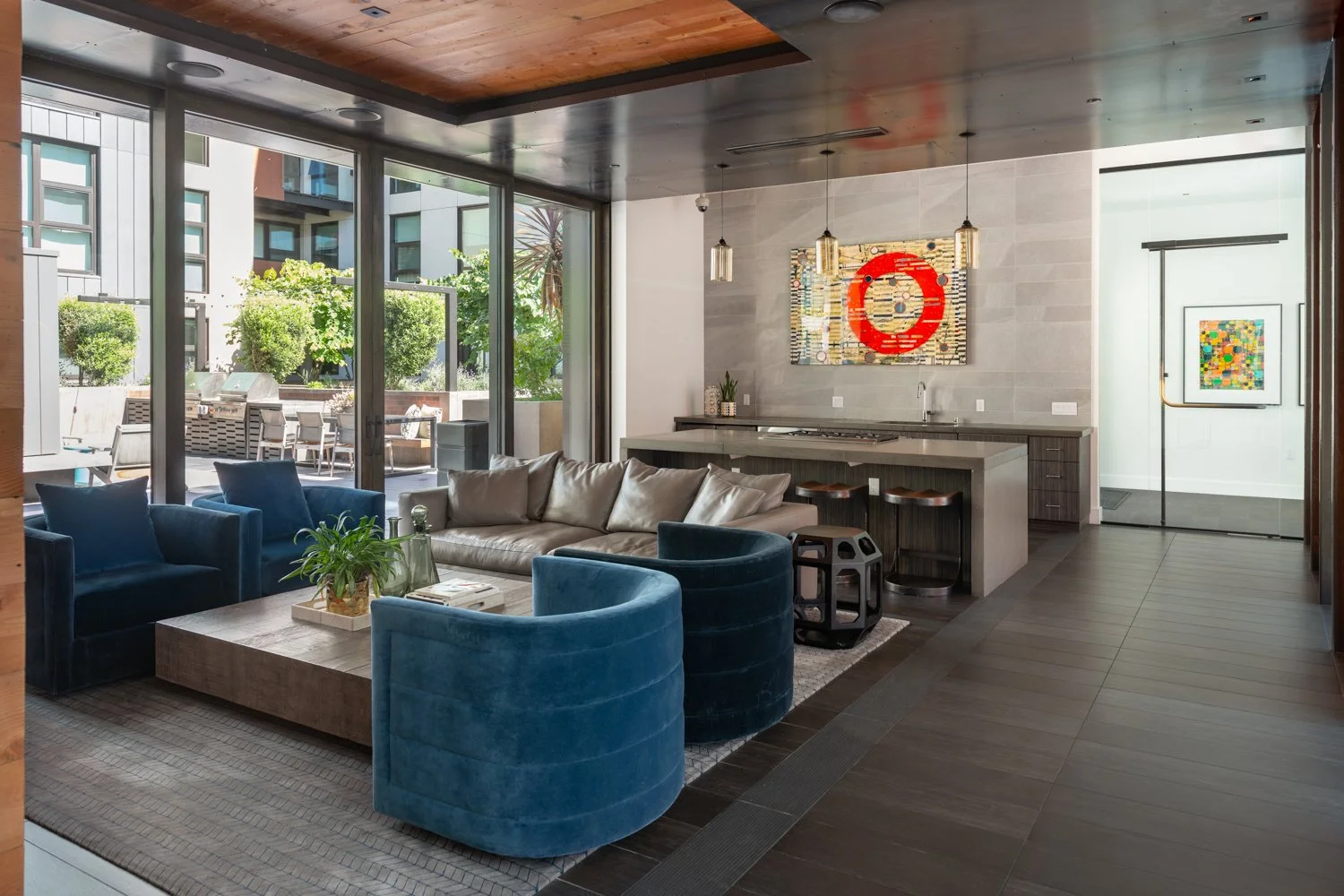
Key Elements of Soft Modern Architecture
Understanding the elements of soft modern architecture helps homeowners make intentional design choices that enhance comfort and style.
a. Warm, Natural Materials
Soft modern interiors rely on materials like wood, stone, and textured fabrics. These materials soften straight lines and sleek surfaces, creating spaces that feel approachable and human-centered. For example, wide-plank oak floors or stone accent walls add warmth and sophistication to living areas and kitchens.
b. Neutral and Muted Color Palettes
Soft modern design favors gentle earth tones, warm grays, and soft whites. Accent colors are used sparingly, often inspired by nature, to highlight architectural features without overwhelming the space. Muted palettes help create a serene, timeless environment that supports relaxation and daily living.
c. Clean Lines with Gentle Curves
While traditional modern architecture emphasizes sharp edges and rectilinear forms, soft modern incorporates rounded corners, subtle arches, and gentle curves. This approach maintains modern simplicity while introducing human-scale elements that make a space feel comfortable and welcoming.
d. Indoor-Outdoor Connection
Soft modern architecture often emphasizes the connection between indoor and outdoor spaces. Large windows, sliding doors, and patios create a seamless flow, enhancing natural light and views. Bringing greenery into the home or framing outdoor areas with glass allows residents to experience a sense of openness and tranquility.
e. Minimalist Yet Comfortable Furniture
Furniture is functional, simple, and inviting. Sofas, chairs, and tables are designed for comfort without cluttering the space. Soft modern interiors balance minimalism with usability, ensuring that every item supports daily living.
Benefits of Soft Modern Architecture for Homeowners
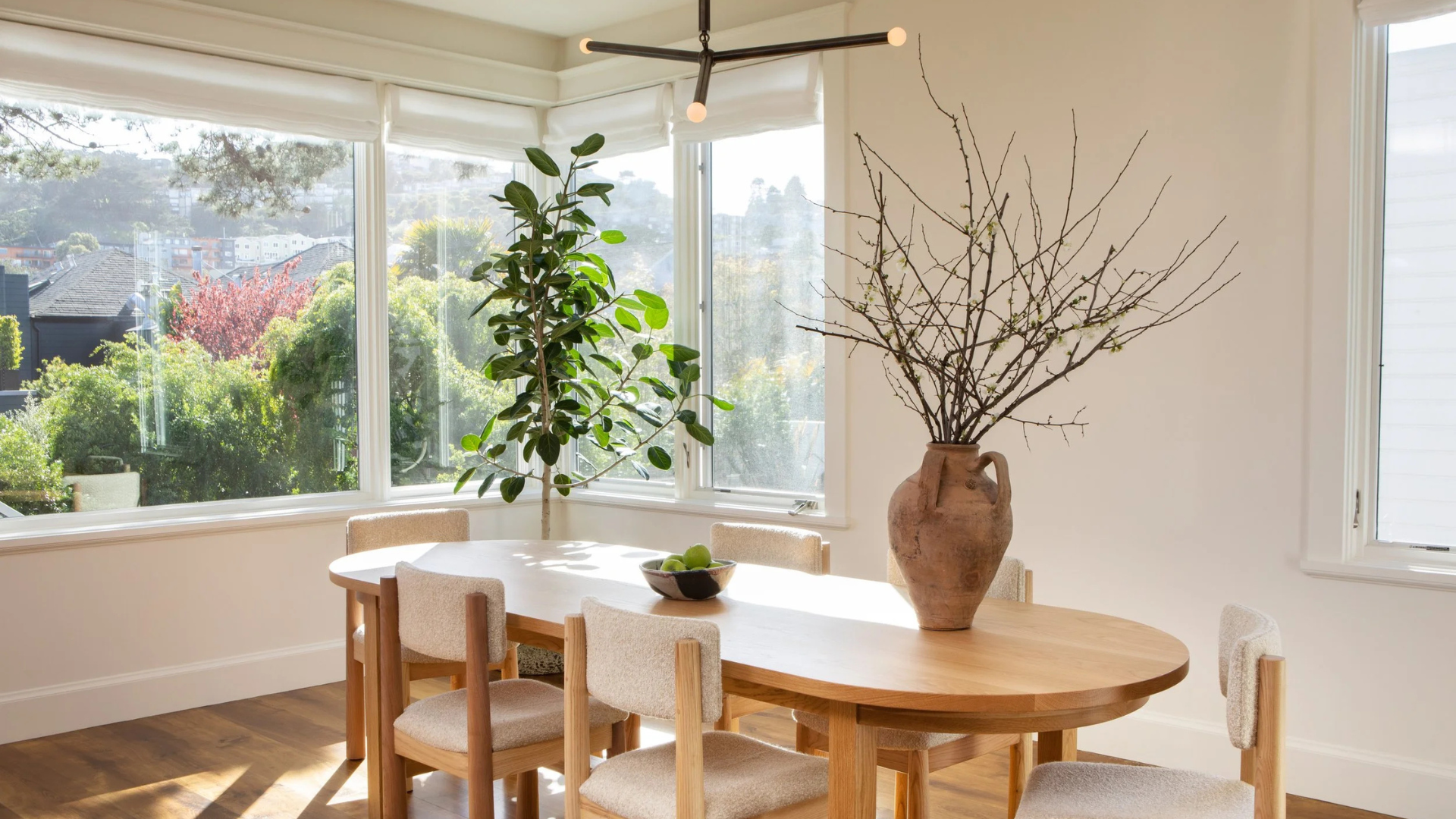
Soft modern architecture is popular because it delivers tangible benefits beyond aesthetics:
Comfortable, Livable Spaces: Homes feel warm and inviting, not stark or impersonal.
Adaptability: Works well for renovations, small apartments, or custom-built homes.
Timeless Style: Maintains relevance over decades, avoiding design trends that quickly become dated.
Enhanced Functionality: Open layouts and thoughtful design optimize space for family living, entertaining, and relaxation.
Increased Home Value: Well-executed soft modern design can boost property appeal and resale value.
By focusing on these benefits, homeowners not only achieve a beautiful space but also improve their quality of life and long-term investment potential.
Common Design Mistakes to Avoid
Even with a clear vision, homeowners can misstep when incorporating soft modern design. Key pitfalls include:
Overly Stark Interiors: Avoid making the space feel cold; balance minimalism with warmth.
Prioritizing Aesthetics Over Function: Homes must work for everyday life, not just look good.
Ignoring Texture and Material Cohesion: Stick to complementary materials and colors.
Neglecting Lighting: Soft modern design relies on natural light and layered artificial lighting to enhance warmth.
Overdecorating Minimalist Spaces: Clutter undermines the clean, serene aesthetic.
At LittleBig Design, we guide clients through these challenges to create spaces that are both visually stunning and highly functional.
Incorporating Soft Modern Architecture in Different Rooms
Living Rooms
Focus on open layouts with comfortable seating arrangements.
Layer textures through rugs, throws, and cushions to add warmth.
Maximize natural light and views with large windows or sliding doors.
Kitchens
Use warm cabinetry, stone countertops, and simple hardware.
Minimize clutter while maintaining practical storage.
Incorporate functional islands or breakfast nooks that blend style with daily use.
Bedrooms
Opt for muted palettes and soft furnishings to create a calming retreat.
Keep furniture minimal but functional.
Add subtle textures (linen, wood, rugs) to enhance comfort.
Bathrooms
Use natural materials like stone or wood accents.
Clean lines paired with soft textures create spa-like atmospheres.
Consider open shelving or hidden storage for a balance of style and practicality.
LittleBig Design’s Expertise
At LittleBig Design, we combine design excellence with practical execution. Our approach to soft modern architecture emphasizes:
Client-Focused Collaboration: Understanding your lifestyle and goals ensures your home reflects your personal needs.
Site-Conscious Solutions: Homes are designed to respond to the unique characteristics of your property.
Material and Lighting Expertise: Every finish and fixture is carefully selected for warmth, balance, and timeless appeal.
Comprehensive Planning and Execution: From detailed drawings to construction oversight, we ensure your vision becomes a reality without compromise.
By combining thoughtful design with meticulous execution, we deliver homes that are comfortable, stylish, and enduring, establishing LittleBig Design as a trusted authority in residential architecture.
Frequently Asked Questions
Q: What is soft modern architecture?
A: A design approach that blends modern clean lines with warmth, natural materials, and human-centered elements.
Q: How does it differ from standard modern architecture?
A: Soft modern architecture emphasizes comfort, livability, and tactile materials, unlike the starkness of traditional modern design.
Q: Can I incorporate it in a small home?
A: Yes. Strategic furniture, light palettes, and natural materials make even small spaces feel open and inviting.
Q: What materials are best?
A: Wood, stone, natural fabrics, and subtle metal or glass accents create warmth and interest.
Q: Why choose LittleBig Design?
A: Our team combines design expertise, client-focused collaboration, and a proven track record to create homes that are both aesthetically striking and perfectly livable.
Trends & Thought Leadership in Soft Modern Architecture
Soft modern design continues to evolve. Key trends in 2025 include:
Sustainable Materials: Reclaimed wood, natural stone, and eco-friendly finishes are becoming standard.
Indoor-Outdoor Living: Expanding living spaces into patios, decks, and gardens is a top priority.
Flexible Spaces: Multi-purpose rooms and adaptable layouts support modern lifestyles.
Integrated Technology: Smart lighting, heating, and appliances blend seamlessly with design.
These trends reinforce the value of working with expert architects like LittleBig Design, who stay ahead of design innovations while maintaining timeless aesthetics.
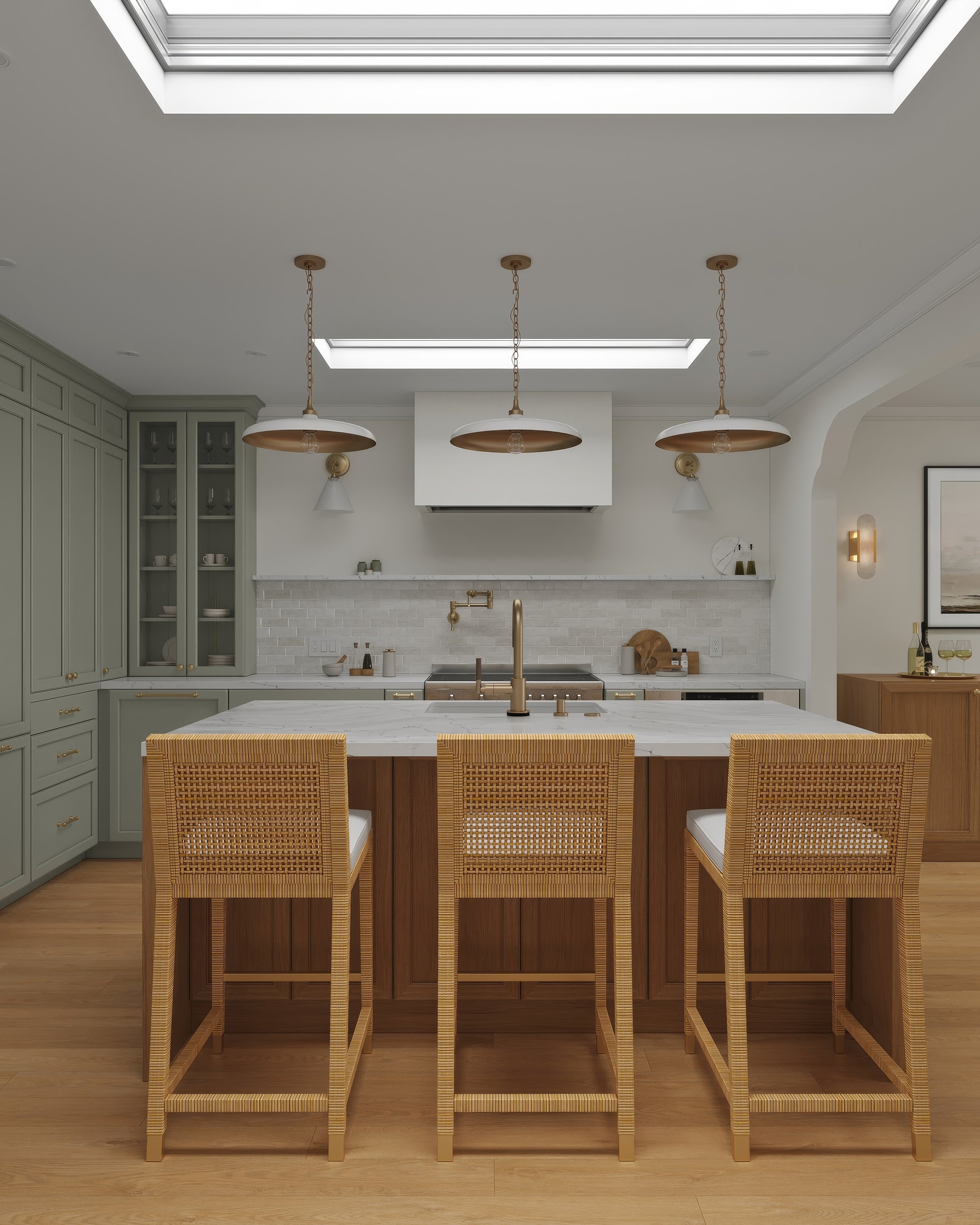
Transform Your Home with Soft Modern Design
Soft modern architecture is more than a style, it’s a philosophy that prioritizes comfort, functionality, and timeless beauty. By incorporating warm materials, thoughtful layouts, and human-centered design, homeowners can create spaces that are elegant, inviting, and practical.
At LittleBig Design, we help clients transform their vision into reality, delivering homes that are modern, warm, and uniquely tailored. From renovations to new builds, our team combines expertise, collaboration, and detailed execution to create homes that reflect both style and lifestyle.
Ready to explore soft modern architecture for your home?
Schedule a consultation with LittleBig Design today and start creating a home that is functional, beautiful, and timeless.
