
10 Things To Look For When Choosing An Architect For Your Home Renovation
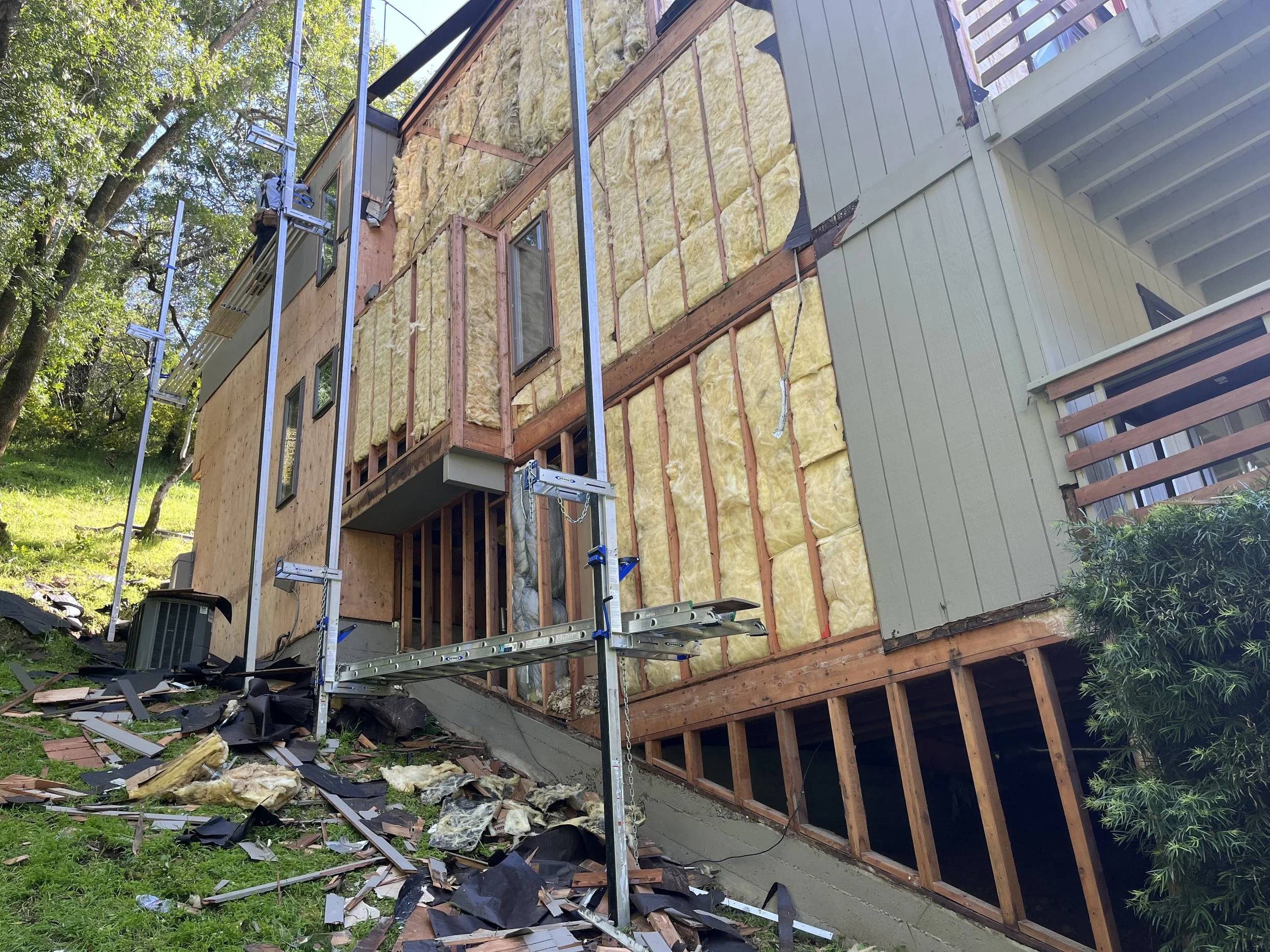
Choosing an architect is one of the most important decisions you’ll make during a home renovation. The right architect can help you navigate design complexity, regulatory requirements, and construction challenges, while ensuring your home reflects how you actually live.
If you’re in the process of choosing an architect, it’s important to look beyond style alone. Experience, communication, process, and transparency all play a critical role in whether your renovation feels stressful or seamless.
Below are ten essential factors to consider when selecting an architect for your home renovation, especially in design-forward markets like San Diego.
Experience With Renovations Similar to Yours
Not all architects specialize in the same types of projects. Some focus on new construction, while others are deeply experienced in remodels, additions, and adaptive reuse.
When choosing an architect, look for:
Experience with renovations (not just new homes)
Familiarity with structural modifications and existing conditions
Proven success in navigating permits for remodels and additions
Renovations require problem-solving within constraints, and experience in this area matters.
Clear Understanding of Local Regulations
Home renovations often involve zoning rules, setback requirements, historic overlays, or coastal regulations, especially in San Diego.
An architect should understand:
Local zoning and planning codes
Permitting timelines and approval processes
When additional consultants or reviews may be required
An architect who anticipates regulatory challenges early helps avoid costly redesigns and delays later.
A Thoughtful, Client-Focused Design Process

Great architecture starts with listening. The best architects don’t impose a style; they translate your goals, lifestyle, and priorities into a functional design.
Ask how the architect approaches:
Predesign and goal-setting
Budget alignment
Iterative feedback and collaboration
At LittleBig Design, we believe the design process should be transparent, collaborative, and grounded in how clients actually live, not just how spaces look on paper.
Strong Communication and Responsiveness
Clear communication can make or break a renovation project. When choosing an architect, pay attention to how they communicate from the start.
Look for:
Clear explanations without unnecessary jargon
Timely responses to questions
A defined communication cadence
An architect should act as a guide and advocate throughout the process, not someone you struggle to reach.
Transparent Fee Structure
Understanding how an architect charges and what’s included is essential when planning a renovation.
Ask for clarity on:
Fee structure (hourly, fixed fee, or hybrid)
What services are included at each phase
How changes or additional services are handled
Transparent pricing helps set expectations and builds trust from the outset.
Comprehensive Scope of Services
Architectural services go far beyond drawings. A well-rounded architect supports your project from early planning through construction.
Key services may include:
Predesign and feasibility analysis
Design and space planning
Construction documents for permits and builders
Coordination with consultants and contractors
At LittleBig Design, we provide full-service architectural support to ensure continuity, clarity, and design integrity throughout the renovation.
Ability to Coordinate Consultants and Contractors

Renovations involve multiple professionals, contractors, and city agencies. Without coordination, projects can quickly become disjointed.
An experienced architect helps:
Align consultants under a unified design vision
Respond to regulatory requirements and questions from governing bodies.
Review contractor bids for accuracy
Respond to construction questions and site conditions
This coordination reduces misunderstandings and helps protect both the budget and the schedule.
Integrated Architecture and Interior Design
Renovations succeed when architecture and interiors work together seamlessly. When these disciplines are disconnected, the result can feel fragmented.
Many homeowners who want a unified aesthetic often pair their architect with an interior designer to ensure spaces feel integrated from structure to finish. This integrated approach:
Improves spatial flow and functionality
Reduces design conflicts
Creates cohesive, intentional spaces
For homeowners, this means fewer handoffs and a more streamlined experience.

Portfolio That Reflects Problem-Solving, Not Just Style
A strong portfolio shows more than beautiful images; it demonstrates how an architect solves real-world challenges.
When reviewing past work, consider:
Project constraints and solutions
Similar scale or scope to your renovation
How spaces function, not just how they look
An architect’s ability to adapt design thinking to different contexts is more important than a single signature style.
Alignment in Values, Vision, and Trust
Ultimately, choosing an architect is a partnership. You’ll be working closely together for months, and trust is essential.
Ask yourself:
Do they understand your goals?
Do they respect your budget and priorities?
Do you feel confident in their guidance?
When values align, the renovation process becomes collaborative rather than stressful.
Frequently Asked Questions About Choosing an Architect
How early should I hire an architect for a home renovation?
Ideally, you should hire an architect before finalizing your budget or speaking with contractors. An architect helps assess feasibility, identify constraints, and align your design goals with realistic construction costs from the beginning.
What’s the difference between an architect and a designer?
An architect is licensed to design buildings, prepare permit-ready construction documents, and coordinate with engineers and city agencies. Designers typically focus on interiors and aesthetics, but cannot legally provide architectural services or submit plans for permits.
How much does it cost to hire an architect in San Diego?
Architect fees vary based on scope, complexity, and services provided. In San Diego, residential architectural fees typically range between hourly and fixed-fee structures, depending on the project.
Do I need an architect for a remodel or addition?
Yes, especially if your project involves structural changes, layout reconfiguration, additions, or permits. An architect ensures your renovation is code-compliant, buildable, and thoughtfully designed.
Can an architect help manage contractors during construction?
Yes. Many architects offer construction administration services, which include reviewing contractor work, responding to site questions, and helping ensure the project aligns with the approved design.
Choosing the Right Architect Sets the Foundation for Success
Choosing an architect is not just about design; it’s about strategy, communication, and long-term value. By evaluating experience, process, transparency, and alignment, you can select an architect who supports your vision and protects your investment.
At LittleBig Design, we approach renovations with clarity, creativity, and precision. Our team works closely with clients to deliver thoughtful, buildable designs that respond to real-life needs and regulatory realities.
Ready to start your renovation with confidence?
Contact LittleBig Design to schedule a consultation and discover how a collaborative, transparent architectural process can transform your home.
